In our time delivering research-led, inclusive, relationships and sex(uality) education (RSHE), we have seen first hand the transformative impact it can have on young people. It builds their communication skills, helps them navigate online spaces, and strengthens their understanding of their bodies, relationships, and rights. The impact is clear - 81% of students who participated in our workshops agreed that they had a better understanding of harmful behaviours in relationships as a result (School of Sexuality Education, 2025).
However, our own experience, alongside national data, shows that many young people with disabilities are being left out of this crucial education. Only 43% of disabled students aged 16-17 rated their RSE as good, and only 20% reported learning about pornography in school. Beyond this, there is a concerning lack of robust research and data available that reports on the experiences of d/Deaf young people in RSHE.
For d/Deaf young people, additional barriers can make accessing meaningful RSHE particularly challenging. These include limited availability of British Sign Language (BSL) interpretation, sign-supported provision and appropriately adapted resources. Importantly, these barriers are not a reflection of a lack of commitment or interest from the professionals working with young people. Rather, they reflect wider systemic challenges, including limited access to specialist training, time and resources.
When young people cannot access inclusive and relevant RSHE, they are denied opportunities to develop their understanding of healthy relationships, consent, boundaries and their rights, as well as the knowledge of where and how to access support. This exclusion can further compound the inequalities faced by disabled and d/Deaf young people, leaving them disproportionately vulnerable to exploitation, abuse and harm, while highlighting wider gaps in safeguarding and access to appropriate support.
Bespoke programmes for d/Deaf learners
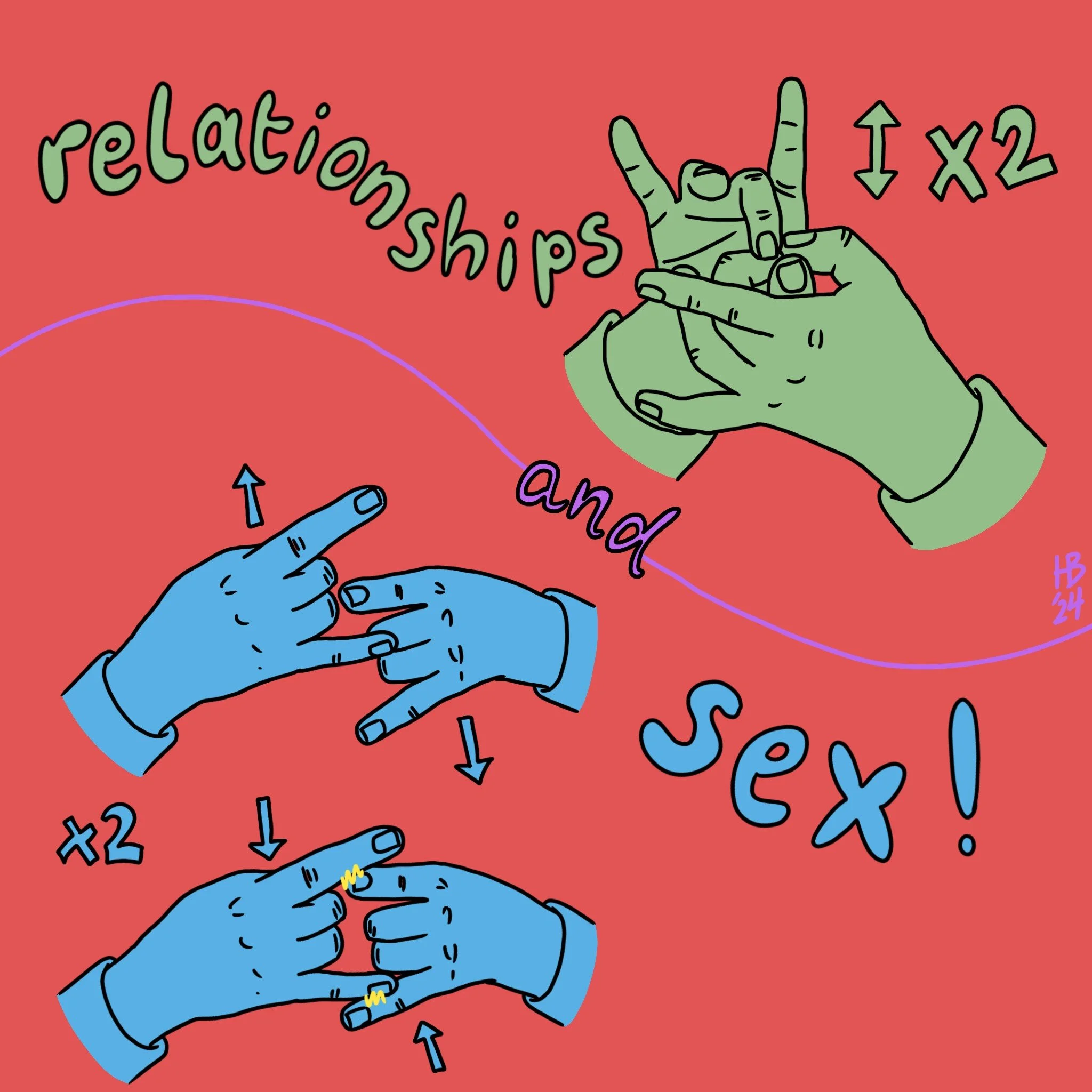
Image by Hannah B
To support d/Deaf young people and educators, we have developed specialist programmes to improve access to RSHE. Over the past six years, we have worked in partnership with d/Deaf consultants, BSL interpreters, doctors, teachers and sexual violence prevention specialists to deliver accessible RSHE workshops in British Sign Language (BSL) and sign-supported English across the country.
Between 2020 and 2023, our programme focused on supporting d/Deaf students to explore key topics including puberty, self-care, healthy relationships, consent and coercive control. Through these sessions, young people developed their knowledge, confidence and practical skills, while exploring consent as a positive framework for building safe, healthy and enjoyable relationships and experiences.
Building on this work, in 2025 we developed a specialist pilot RSHE training programme for Qualified Teachers of the Deaf (QToDs), recognising the vital role they play in ensuring d/Deaf young people can access inclusive and meaningful education. Many QToDs told us they had limited opportunities to access specialist RSHE training, despite the importance of their role in delivering this provision. In response, we developed the pilot programme with three key aims:
Build on our existing work: extend the learning and expertise gained through our previous RSHE workshops with d/Deaf students.
Support wider delivery: encourage greater uptake of specialist RSHE training among schools and local authorities.
Champion ongoing professional development: advocate for accessible, specialist and sustained continuing professional development (CPD) to support effective and inclusive RSHE delivery.
Through this work, we aim to improve access to high-quality RSHE for d/Deaf young people, while equipping educators with the specialist knowledge, skills and confidence to deliver inclusive, accessible and evidence-based education.
Inside the QToD training programme
This programme was delivered in partnership with Cheshire West and Chester Borough Council and Rochdale Borough Council. We focused on tailoring the training to the needs of QToDs, beginning with a focus group to better understand the barriers they face and how our CPD training could best support them. The main problems highlighted were limited time, resources, and a need for better understanding from schools and caregivers of the importance of high-quality RSHE for vulnerable young people.
We covered a comprehensive range of topics in these CPD sessions, including:
The core principles of high-quality RSE - statutory responsibilities and trauma-informed approaches, plus how to engage caregivers for a joined-up approach.
Inclusive RSHE in practice - how to deliver education that is LGBTQIA+ inclusive, accessible, and anti-racist.
Consent, safety, and prevention - how to deliver high qualuty consent education, how RSHE can is a form of sexual violence prevention, supporting young people with digital harms and building porn literacy.
Bodies, health, and wellbeing - including puberty, periods, and female genital mutilation (FGM).
These workshops were supported by bespoke resources for teachers and schools. The resources were then trialled with d/Deaf students in years 7-10, with feedback and training provided through a two stage evaluation process, one immediately following the training, and one following classroom delivery. This allowed us to refine resources based on real classroom experience, ensuring the support we gave teachers was not one-off, but continuous.
Here’s what teachers on the programme had to say about our work together:
“The themes explored within the topics are key to keeping our young d/Deaf people safe and preparing them for adulthood. The training I have received from School of Sexuality Education has supported me to understand the topics in more detail and I feel lucky that I have had the opportunity to challenge my own viewpoints on these topics with other teachers of the d/Deaf.” - Edward Bradley, RANS (Teacher HI, Early Help and Schools).
“These workshops were excellent; they were extremely engaging thanks to the trainer, whose knowledge and enthusiasm for the subject areas shone through. Our thoughts and ideas were challenged in a safe and supportive environment. We feel better prepared to support schools to deliver RSE sessions and to discuss challenging questions and comments from students around sex education.” - Tiffany Moorcroft, Lead Specialist QToD and Educational Audiologist, at Cheshire West and Chester Council.
The feedback we received consistently highlighted increased confidence and a stronger sense of preparedness to deliver RSHE. Their openness allowed us to better understand their needs and how we can support them to deliver high-quality RSHE with a focus on harm prevention. Their work is vital to empowering young people with the knowledge, skills, and confidence needed to navigate relationships, wellbeing, and safety.
After the success of this programme, we are keen to take the learnings and resources from this pilot to more local authorities and to continue working collaboratively with teachers and students.
If you would like to find out more about the training, and explore opportunities in your area, we would love to hear from you. Get in touch via info@schoolofsexed.org
This pilot programme was made possible thanks to Ovingdean Hall Foundation, with support from the Ewing Foundation.