
By Caelus, MNutr student in Dietetics
Last week, I went to the supermarket with my friend. We stopped in the frozen food aisle, and she stood there for what felt like forever, trying to decide whether to buy an ice cream which looked so good. This surprised me because she is a very decisive person, usually she will just take it out and put it into the trolley in 30 seconds.
I am curious, so I asked why she was hesitating.
"I'm on my period," she said. "I shouldn't eat cold food."
I then asked, "Is that actually true?"
She paused for a moment before replying, "that’s a good question. I don't know... I've just always been told that."
That conversation made me realise how many of us follow advice about periods without ever questioning about where it came from or whether it's supported by evidence. Periods are a normal part of life for many people, but they're also surrounded by myths that have been passed down through generations. From avoiding cold drinks to skipping exercise, there are countless "rules" about what an individual should and shouldn't do during their period.
So, are these myths actually true? In this blog, we'll look at the evidence behind some of the myths about periods and explore what can really help someone feel their best during their menstrual cycle.
Myth #1: Someone should avoid cold food and drink during their periods
The first myth I wanted to investigate came from that trip to the supermarket.
Like my friend, many people have been told to avoid cold drinks, ice cream, or other cold foods during their period because they believe these can make menstrual cramps worse. This belief is common amongst many people, where keeping the body "warm" during menstruation has long been encouraged.
So, is this myth true?
Not necessarily. At present, there is no strong scientific evidence showing that drinking cold beverages or eating cold foods directly causes menstrual cramps to become worse. Although this belief is widespread, it has not been proven in clinical studies.
One recent cross-sectional study found that people who reported greater exposure to cold, such as frequently drinking iced beverages during winter, were also more likely to report more severe menstrual pain (Wu et al., 2024). However, because this was an observational study, it can only show an association. It cannot prove that cold drinks caused the pain. The researchers also acknowledged that cultural beliefs, lifestyle factors, and reverse causation (for example, people who have painful periods may change their eating and drinking habits) could have influenced the findings (Wu et al., 2024).
So, someone can enjoy an iced coffee or ice cream during their period, there's currently no convincing evidence that these foods need to be avoided. However, if an individual finds that warm drinks make them feel more comfortable or help ease their cramps, it's perfectly fine to choose what works best for them.
Myth #2: Someone won't get pregnant if they have sex during their periods
Many people think having sex during periods is “safe” as it is impossible to get pregnant. However, It is still possible to get pregnant whilst menstruating.
Sperm can survive up to 7 days in the reproductive tract. If someone’s menstrual cycle or ovulation is shorter than expected, sperm will still be alive and have a chance to connect with the egg, which means someone could still get pregnant. Ovulation varies from month to month, it may be hard to predict the actual timing for it.
Additionally, periods do not protect against sexually transmitted infections. Someone may use barrier methods to reduce the chances of infection such as wearing condoms, finger cots etc.
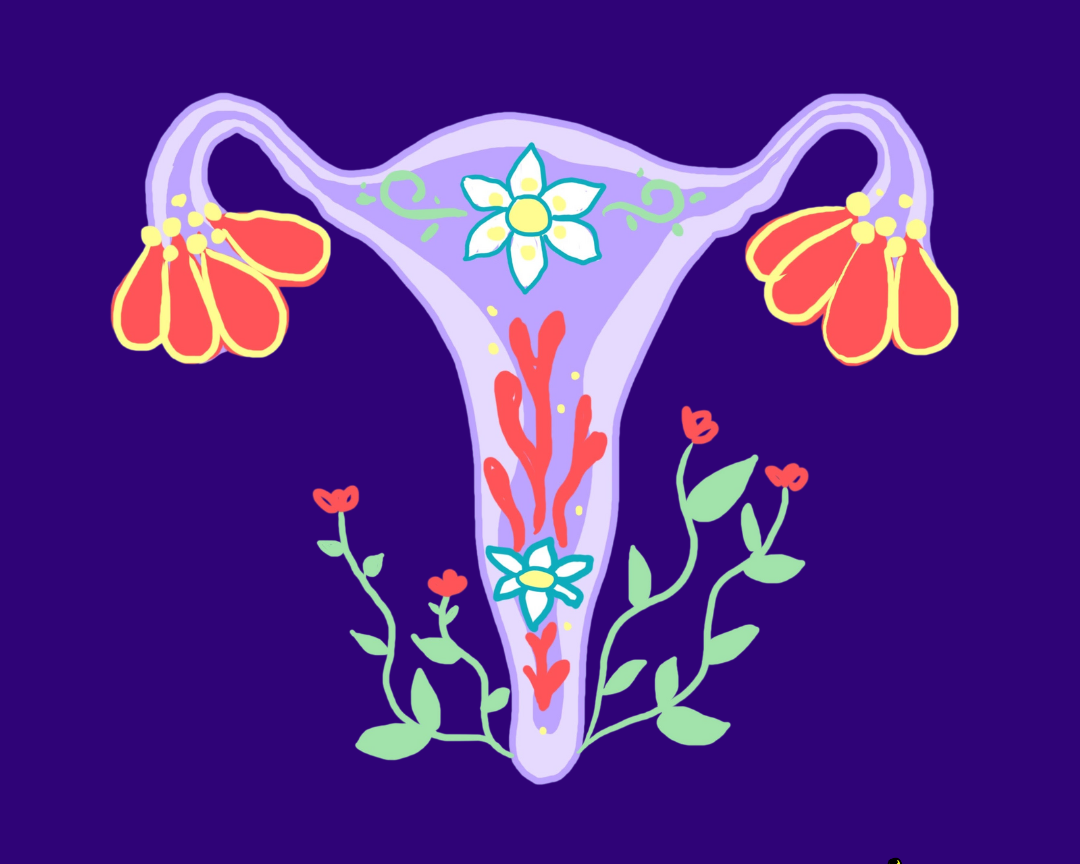
Image by Deeanna J
Myth #3: Someone should not exercise during periods because it is unsafe
PE lessons as part of essential school lessons, can be important for physical and mental health development. According to the Youth Sport Trust Survey, one of the biggest challenges for having PE lessons is periods. Symptoms such as cramps or anxiety may affect someone’s ability to participate. It's important that people who menstruate are given the option to sit out of PE lessons. But if someone on their period feels comfortable and wishes to participate in exercise, this is also okay! In fact, moderate exercise, such as walking, cycling, and yoga, can ease period pain. Doing exercise can also help to improve anxiety. But if someone is having severe symptoms of periods and feels very uncomfortable moving around, it is absolutely fine to sit down and take a rest. Ultimately, it is up to the person on their period whether or not they feel comfortable to participate in exercise. They know their bodies best and this must be respected!
Myth #4: Periods are dirty or toxic
Periods are often described as “dirty” or some people believe that periods are the way that the body sheds toxins. Unfortunately, these ideas are incredibly common, an incredibly harmful perception that stigmatises the bodies of people who menstruate.
Menstrual blood is not toxic. Periods are the natural part of the menstrual cycle, which is a biological process. Menstrual fluid is actually made up of blood, natural vaginal secretions, and the shedding tissue of the uterine wall. It is not the body’s way of removing toxins. Vaginas are also self-cleaning! So, it is also not “dirty” at all, and in fact incredibly important.
Like any blood or bodily fluid, menstrual blood should be handled hygienically. During periods, it's important to change period products regularly, wash hands, and clean the external genital area with warm water. Practising good menstrual hygiene helps lower the risk of skin irritation, and helps prevent infections. It may also help someone feel more comfortable throughout their period.
Believing periods are “dirty” and toxic contributes to embarrassment, shame, and stigma. These misunderstandings may make people uncomfortable to talk about periods, or feel ashamed to seek help , or even ask questions. Understanding the truth that periods are not “dirty” or toxic can help us to create an open and supportive environment for any people that are seeking help or feeling confused about periods.
Myth #5: A delayed first period is a sign of immaturity
During puberty, many people compare their development with that of their friends. If some peers have already started their menstrual cycle but another person has not, this may make them start to worry that they are “behind” or that something is wrong in their body.
When someone starts their periods varies from person to person. The possible age can be between 8 to 17 years old. The timing of first periods is influenced by many factors, such as nutrition, genetics, physical activity levels, environmental factors, and hormone levels.
Starting periods earlier or later than others does not mean they are immature. Everyone’s body develops at its own pace, and puberty is different for each person. Instead of comparing, we should encourage young people to accept the difference and avoid shaming anyone’s body - including their own! However, if someone is worried it may be a good idea to speak to a health professional or GP.
Periods are a normal biological process in life but they are still surrounded by myths and misinformation. While some myths may seem harmless, they can lead to unnecessary worry, reinforce stigma and embarrassment, or even prevent people from seeking help when something isn't right. It's important to identify what is evidence-based while also recognising that individual experiences of periods can vary.
Instead of relying on myths, try to focus on some habits that can support an individual’s wellbeing during their period:
Stay hydrated: Drinking enough water can help reduce bloating and support their overall health.
Eat nourishing food: whatever that may mean for you! But it could include a variety of whole grains, fruits, vegetables, proteins, and healthy fats. Iron-rich foods, such as lean red meat, beans, lentils, spinach, and fortified cereals, may help if someone is experiencing heavy periods.
Try some movement: Gentle exercise, such as walking, yoga, or stretching, may help reduce menstrual cramps and improve their mood.
Get enough rest: Period fatigue is common. Getting enough sleep can help support recovery and overall wellbeing during periods.
Talk about it: Periods shouldn't be something we feel embarrassed or ashamed to discuss. If someone has any questions, having open conversations with trusted friends, family members, or healthcare professionals can help reduce stigma and ensure they receive the support they need.
Everyone’s experience of periods is different. There is no one way that can work for everyone. The most important thing is for people to feel comfortable listening to their bodies, to not be afraid to ask questions, and choose strategies that work best for them during their period!
Speak to one of our unembarrassable team members to find out how we can support your school with workshops on body image, periods and puberty.