
By Emma, Head of Policy & Research
***Content warning: discussions of sexual assault of under 18s***
In developmental psychology, there is the concept of ‘emotional containment’. It describes the process of being able to hold someone else’s - particularly a child’s - difficult feelings. It is different from offering comfort or from soothing or even distracting an individual from their current state. Instead, it means staying with them in their distress and helping them to process their emotions.
Let’s think about an upset child, who has just dropped their ice-cream cone on the ground and is now understandably very upset. They are crying loudly. For most of us, our first instinct might be to rush to buy a replacement cone. Or maybe offer them ours or another handy alternative treat as consolation. A parent looking at the situation from an emotional containment point of view though, might approach things slightly differently. Instead of trying to fix the problem, they might get down to the child’s level and demonstrate looking at the dropped ice-cream, sharing in the difficult feelings with them. Perhaps they might remark to the child how upsetting it must be to have lost the thing they were looking forward to, labelling and validating the child’s response. It is thought that experiences of emotional containment from caregivers help children to learn how to regulate and process their feelings, building emotional resilience.
The idea of ‘emotional containment’ came to mind while I was following the response to the recent sentencing news of two teenagers found guilty of several rape charges in Hampshire. Or rather, the need for emotional containment and the apparent lack of it came to mind. The news itself contains a lot of distressing details. Two 14-year-old boys have been found guilty of attacking and raping two girls, also teenagers. A knife was used in one of the attacks, all of which was filmed and later shared on social media.
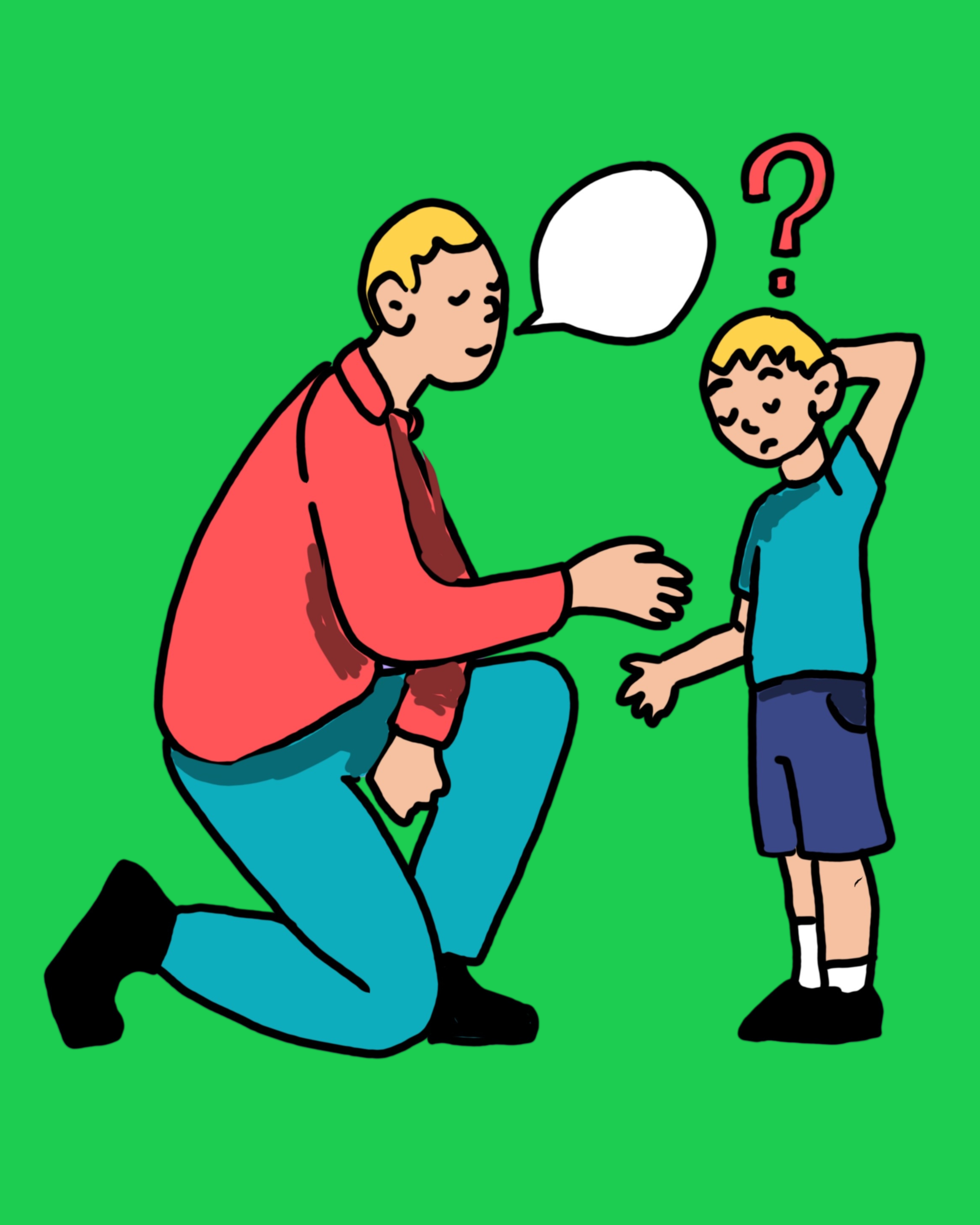
Image by Deeanna J
When it was learned that the two people found guilty of this series of sexual assaults would not serve a prison sentence, many expressed their shock and appall at the decision. I watched a series of responses unfold on social media, as various content creators crafted responses from this outrage. All of which is very understandable and very, very human. But it made me wonder what the effect of this outrage might be and where it stood with this idea of emotional containment.
I wonder if, for at least some of the content creators, it brings about a sense of relief and catharsis. Perhaps even a sense of satisfaction at having shared their important viewpoint. I suspect that the outrage also brings attention and a greater audience. Even if this was not the creator’s main intention, we sometimes feel compelled to follow things that make us angry. But what might the effect be on the audience? Particularly for people who feel personally affected? How might this show of outrage make someone feel if they’re a survivor of sexual assault, a teenage girl or both? I think it might be alarming, scary and well… uncontained.
So what could we do with that knowledge? Well, we might not be able to stop these narratives of outrage erupting across digital spaces. But for those of us with young people in our lives, it might be very achievable to provide at least a little sense of that emotional containment when it does. There are ways that we can practice this principle for children and adolescents in many of the roles we might play in their lives - from parents and carers to older siblings or neighbours, from teachers to librarians.
For a start, we could acknowledge how bad things are without seeming to become overwhelmed by them ourselves. It’s possible to show that you know something sucks, but also that this doesn’t automatically make it too much for you. An important part of this might include checking-in with young people about what their awareness of issues like this is. When we all have access to such a lot of digital content, sometimes young people have a lot of awareness of issues we might assume is too ‘adult’ or ‘serious’ for them. Other times, they might be oblivious, focused on a completely different part of digital life. One way of finding out is to ask. Be curious about if and what they know about topics like this and explore any difficult feelings that might come up if they are aware of the issue.
Another good principle is to make sure that young people know that any problems or issues they might have are never “too much” for you. Sometimes children and adolescents can avoid sharing things because they fear what an adult’s reaction might be. That might include them getting angry or upset at what they’ve been told. I’ve seen some really great examples of teachers who do this. They explicitly tell their students they are there for them if anything makes them feel angry, upset or scared, in a non-pressurised way. You can add to this by normalising getting support from other spaces. Let young people know that you are there for them, but that if they ever want to talk to someone who perhaps doesn’t know them so well, other spaces exist. This might include services like Childline, which under-18s can contact by phone (0800 1111), email or webchat.
We can’t help but feel overwhelmed and hopeless in the face of difficult news. But we can perhaps help how we act on those feelings. In doing so, we might be able to help support young people around us in developing their emotional health.
Emma Chan is a facilitator with School of Sexuality Education and a co-author on the charity’s sex ed book for teens. They are also a doctor working in psychiatry, with experience of working in child and adolescent mental health. Their book ‘Heads Up: A Parent’s Guide to Supporting Young People’s Mental Health and Wellbeing’, published on 1st June 2026 and is available to buy.